The central idea
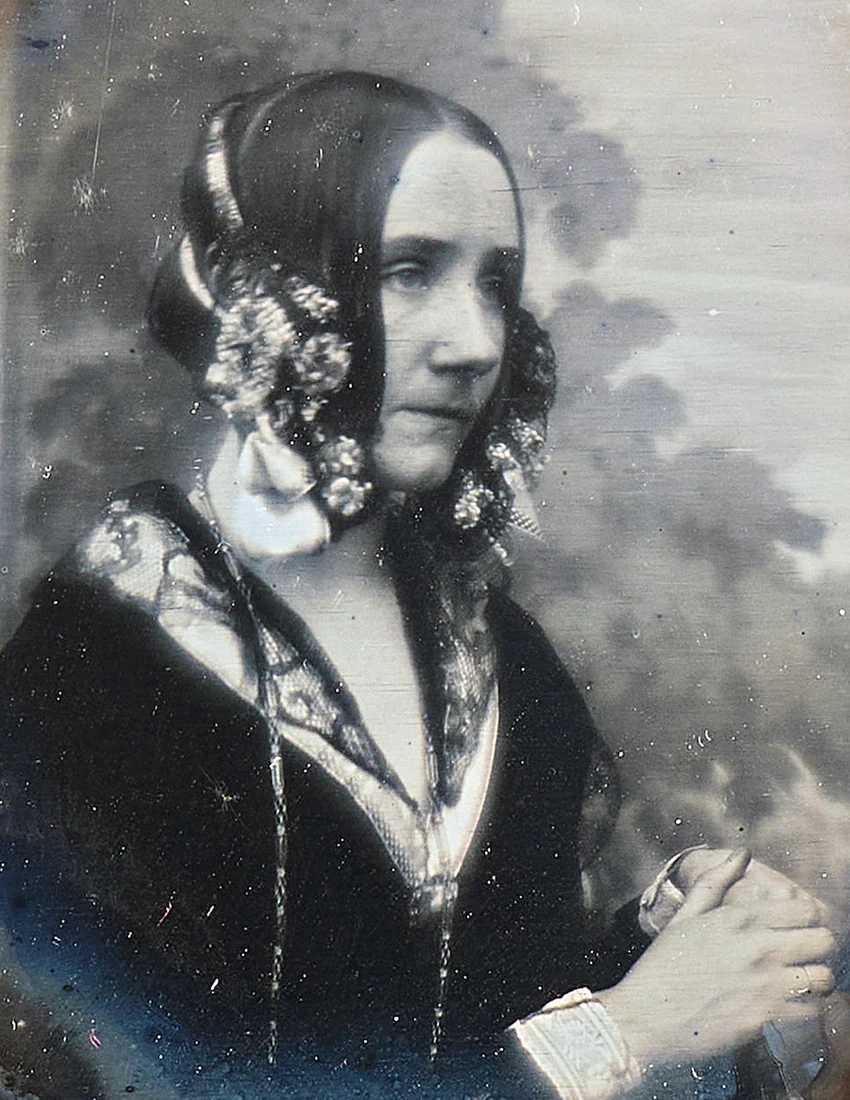
In 1843, Ada Lovelace published a translation of Menabrea’s account of Babbage’s Analytical Engine with her own notes. They included a procedure involving Bernoulli numbers and considered symbolic possibilities beyond ordinary arithmetic.
Why revisit it?
A useful lesson is to distinguish a machine’s mechanism from its possible applications. Lovelace’s perspective invites a broader question than calculation speed: what kinds of ideas can be represented symbolically?
From arithmetic to symbolic representation
A useful way to approach Lovelace’s contribution is to distinguish a machine with a fixed calculation from a machine whose behavior is described by instructions. Once an operation sequence can be represented separately, the same underlying mechanism can be considered for different tasks. The important conceptual step is not merely faster arithmetic but a broader account of what data and operations can represent.
Her notes belong to the context of Babbage’s proposed Analytical Engine. They should not be read as documentation for an already completed modern computer. The familiar “first programmer” label also benefits from context about the published notes and the close collaboration with Babbage; the label alone cannot capture the historical discussion.
A learning example: numbers that stand for something else
Imagine assigning numbers to musical notes. A procedure could rearrange or repeat the numbers, and a separate interpretation could turn the result back into a musical pattern. This is an explanatory example, not a claim that the proposed engine actually performed that task. It illustrates representation: the same numerical medium can encode quantities, letters, colors or instructions.
The distinction matters in ordinary software. A price and a user identifier may both be stored as integers, yet adding prices is meaningful while adding identifiers usually is not. Good data modeling makes the intended interpretation and valid operations explicit instead of relying on a programmer’s memory.
IROSG learning perspective
Describe a problem before choosing a language. Write down its inputs, outputs and transformation rules; only then identify which constraints come from the machine and which belong to the problem itself. This small exercise helps separate a useful idea from one particular implementation.
The value of this history is therefore more than a memorable name. It asks whether the limitations of an available tool are being mistaken for the limits of the idea. The historical references below provide a starting point for examining the original work and its interpretation.