Two sides of the work
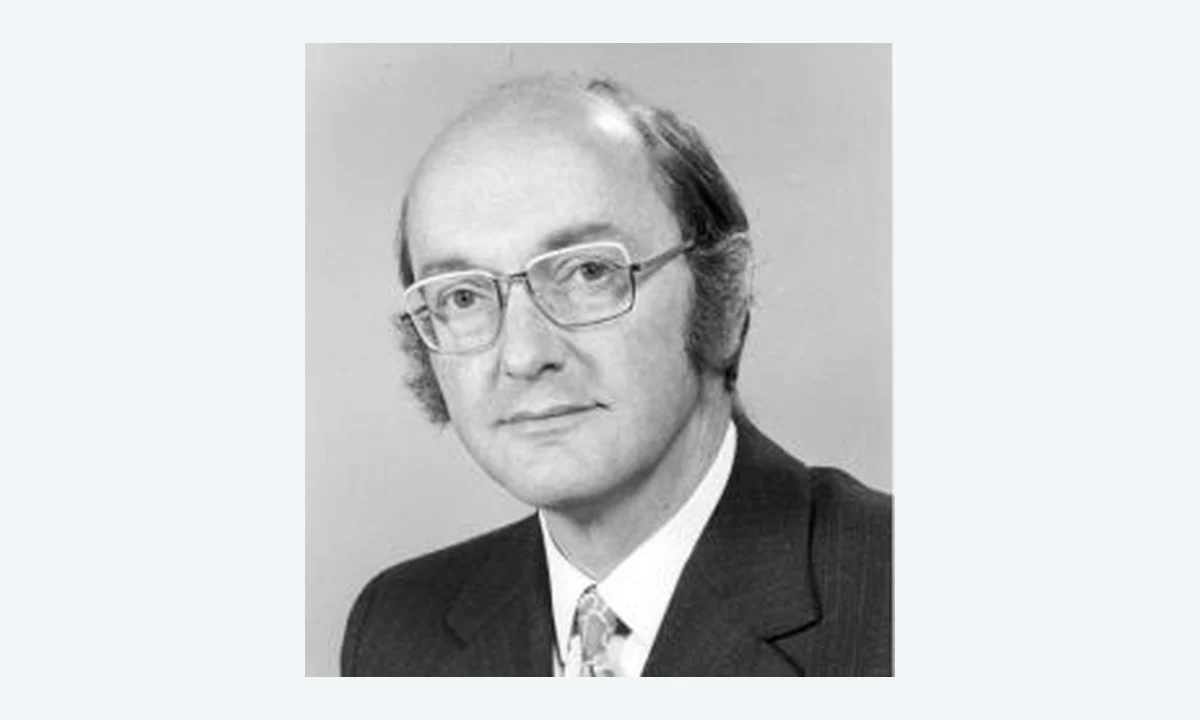
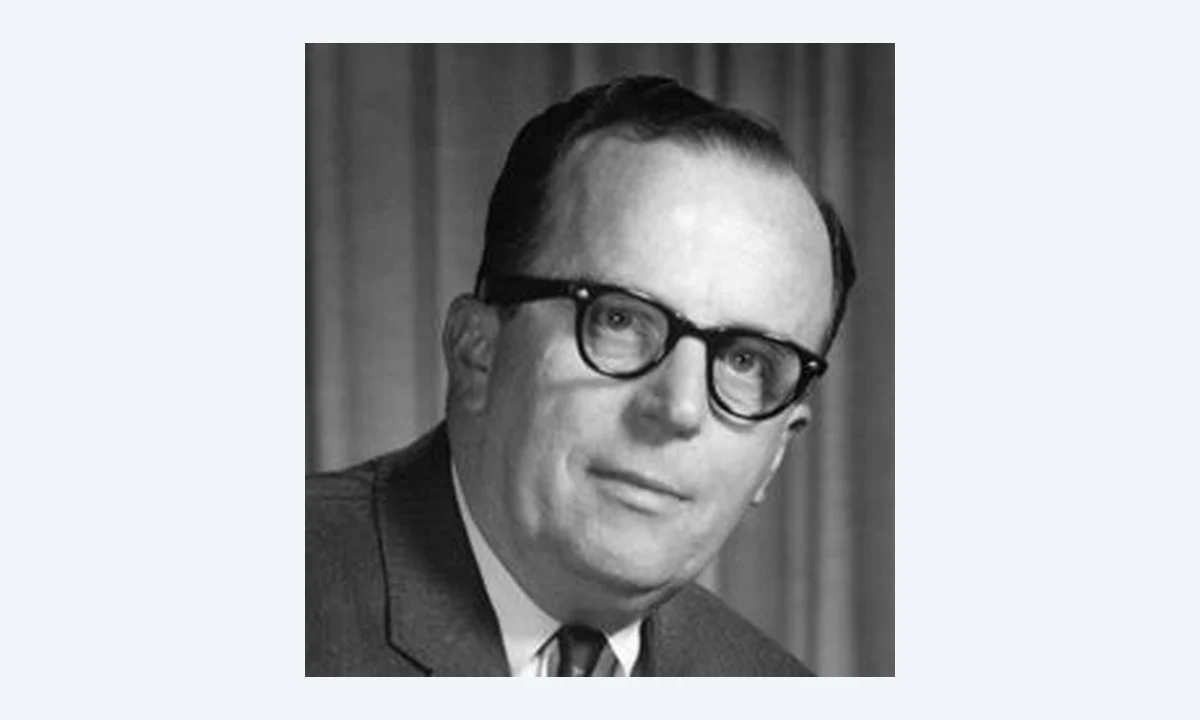
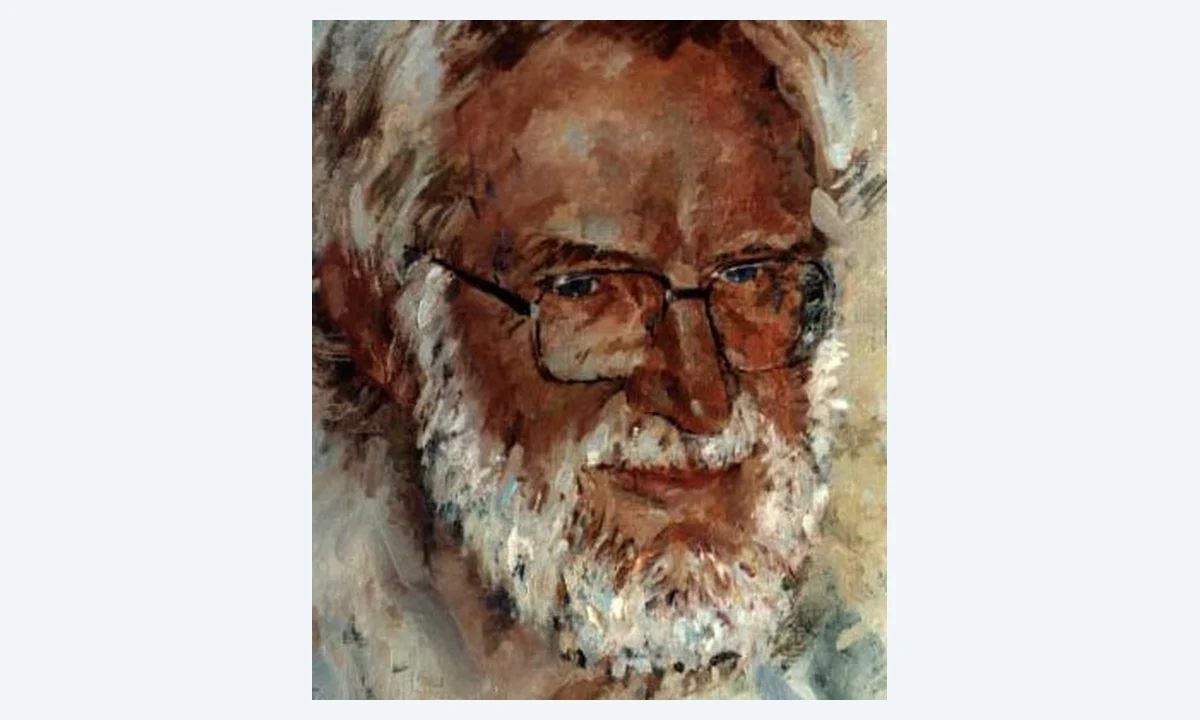
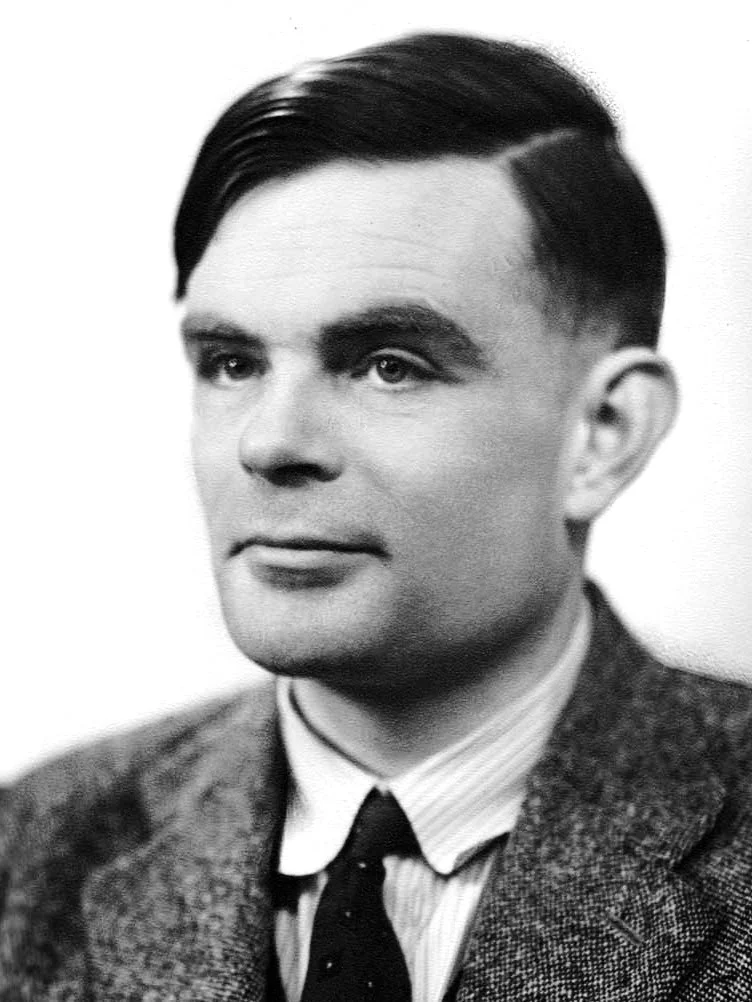
Alan Turing’s 1936 paper introduced an abstract model of computation. During the Second World War, his work and that of colleagues including Gordon Welchman contributed to the Bombe’s development for Enigma codebreaking.
Historical perspective
These were different undertakings: a theoretical model explored computational limits, while the Bombe addressed a particular practical problem. Their contrast is a useful way to understand the relationship between foundational ideas and engineered solutions.
What a theoretical model makes visible
A Turing machine is useful as a model, not simply as a picture of an old device. Removing unnecessary engineering detail makes it possible to reason about instructions and execution themselves. Symbols, states and transition rules provide a precise language for a computation. The first question is what can be expressed as exact steps, not how fast a particular physical implementation will run.
This distinction remains useful in engineering. Sometimes a system’s difficulty comes from an ambiguous specification rather than an inadequate processor. Inputs, termination conditions and exceptional behavior need to be defined before it makes sense to optimize execution.
The Bombe: analysis and practical engineering
The Bombe was not the same thing as the abstract computational model. It was an electromechanical aid for analyzing Enigma-encrypted messages. Its operation depended on mathematical reasoning, analytic assumptions, equipment construction and human work. Collaborators such as Gordon Welchman and the engineers who built the machines belong in that history.
An educational lesson is the value of constraints. A hypothesis inconsistent with the rules of a system can be rejected, reducing the remaining search space. In troubleshooting, a useful experiment similarly distinguishes between possible causes instead of merely generating more output.
IROSG learning perspective
Choose a software fault and write three plausible explanations before changing settings. Design a small test that examines one explanation at a time, record the result and select the next step from the evidence. This is a modern learning exercise, not a reconstruction of wartime cryptanalysis.
Reading Turing carefully means keeping computation theory, cryptanalysis and machine engineering distinct while understanding their connections. The references below offer starting points for those different strands.