
The central idea
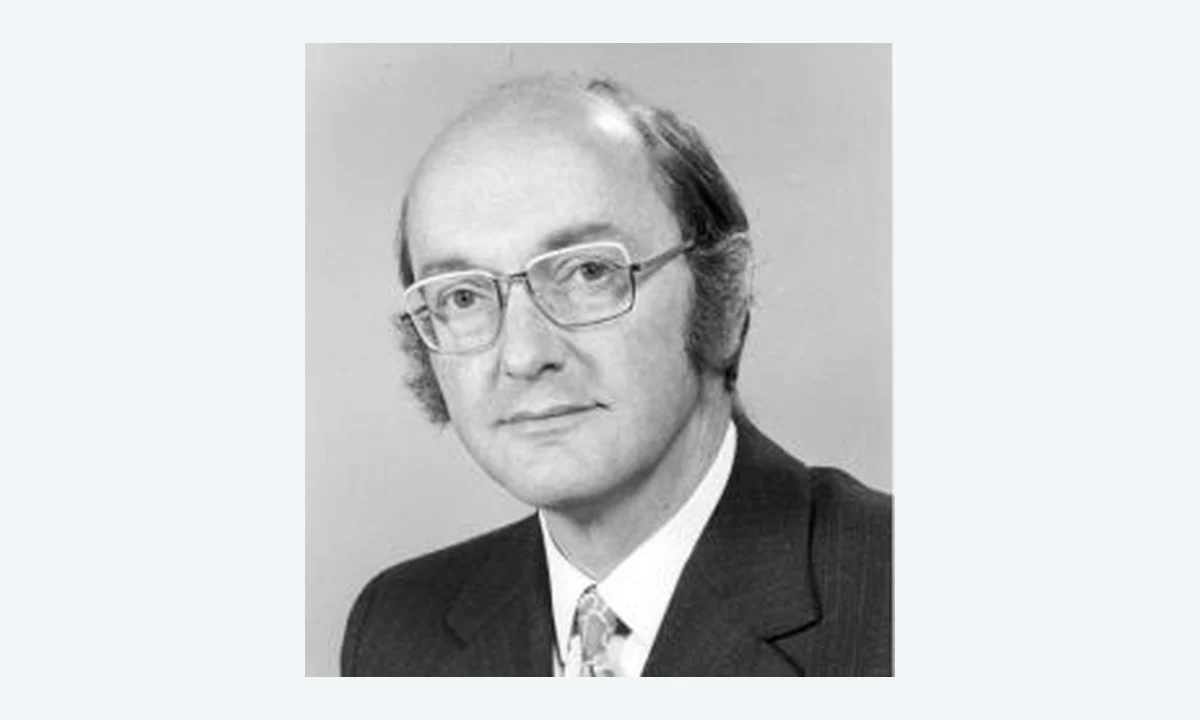
Barbara Liskov made important contributions to data abstraction and CLU. This work emphasizes using a component through its contract rather than depending on all of its internal details.
Design application
Ask what a module guarantees and what should remain hidden. That simple distinction helps reduce accidental coupling and encourages tests that verify observable behavior.
Data abstraction hides the right details
Hiding an implementation does not mean pretending it does not exist. It means that a component’s consumer can use it correctly without understanding its internal representation. A queue user needs to know how to add and receive items, not whether the queue uses an array or a linked structure.
When callers depend directly on internal storage, changing the implementation can break them. A useful abstraction allows that storage to change while preserving the promised behavior. Interface design, documentation and testing meet at this boundary.
Substitution requires more than matching method names
Two implementations can expose identical method names but behave differently. If one preserves order and another silently changes it, callers may no longer receive the behavior they rely upon. Preconditions, results and failure behavior therefore belong in a substitution discussion.
Consider a storage API that promises a successful write will be visible to the next read. A replacement that silently weakens this promise is not automatically compatible just because its request shape is unchanged.
IROSG learning perspective
Define a small note-storage interface and implement it once in memory and once using a file. Run the same behavioral tests against both implementations. Include missing data, invalid input and repeated operations, not just successful method calls.
This approach turns a famous design term into a practical exercise. The aim is to reduce accidental dependencies and create components whose behavior can be understood, checked and changed with greater confidence. The sources below provide the historical context for Liskov’s work and CLU.