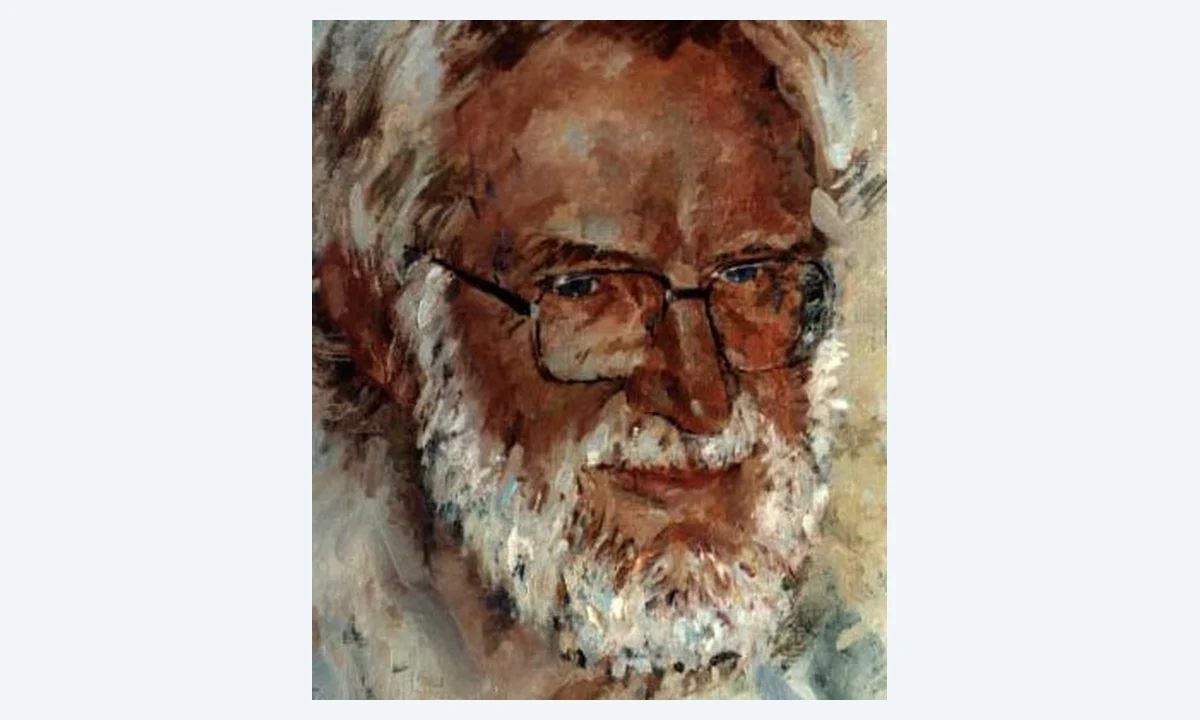

Python’s beginnings
Guido van Rossum began Python in late 1989, drawing on experience with ABC. Python’s first public release followed in 1991.
Why readability matters
Code is read and modified many times after it is written. A practical team question is whether the next maintainer can understand its purpose and constraints. Readability does not replace testing, but it can reduce the cost of understanding.
Readability is a contract between people
Readability is more than attractive indentation. Names should communicate intent, control flow should be understandable and hidden behavior should be limited. Code is often read by someone who was not present when it was written. Small decisions about parameters or errors affect the cost of understanding it.
Van Rossum’s account of Python’s beginnings emphasizes lessons from ABC and a desire for extensibility. A language does not emerge without influences: earlier tools, user needs and implementation constraints all shape its design.
Extensibility needs boundaries
Adding capabilities is useful when the connection contract is clear. If every extension can arbitrarily change internal state, flexibility becomes fragility. Inputs, outputs, failures and lifecycle expectations need definitions.
A file-processing application, for example, might support formats through separate components. The main application still needs to know what each reader returns and how malformed files are handled. A readable language helps express the design but does not supply the contract automatically.
IROSG learning perspective
Choose a small script that only you understand. Replace ambiguous names, validate inputs and separate file or network access from core logic. Ask someone else to explain its purpose using only the code and tests.
The goal is not more classes or a more elaborate structure. It is less ambiguity and easier change. Readability does not replace security, dependency management or testing; these concerns work together. Van Rossum’s own essay below provides a direct account of early design choices.