
Ideas and a language
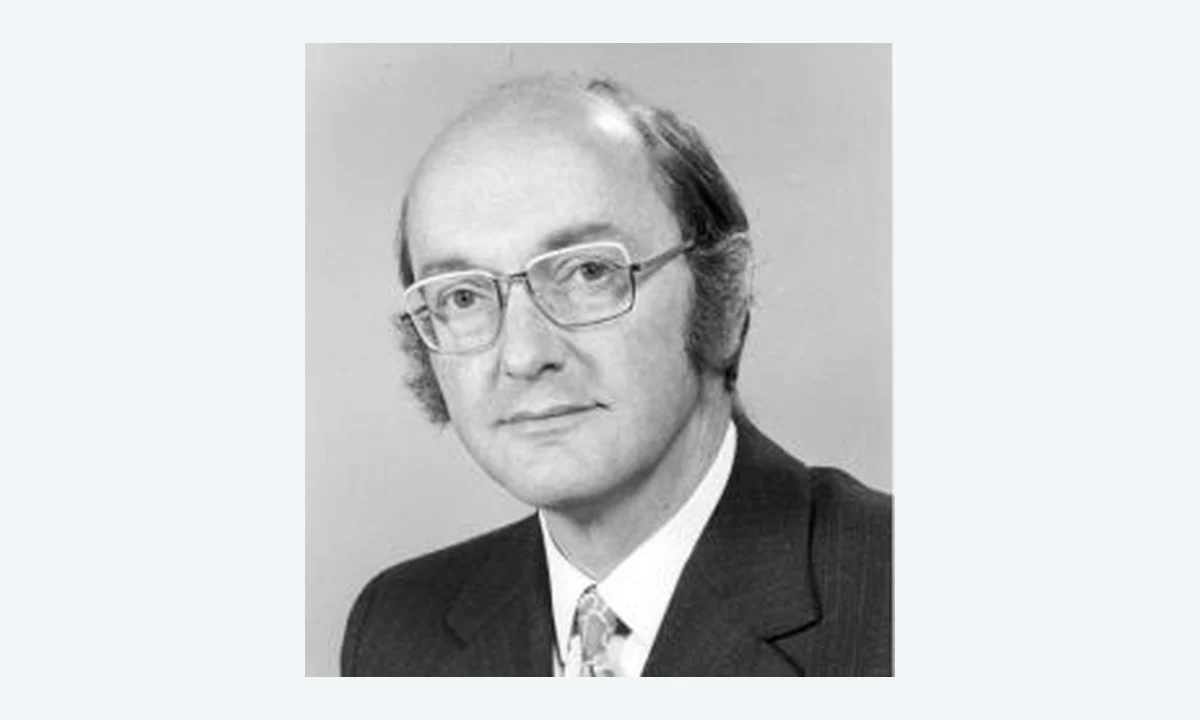
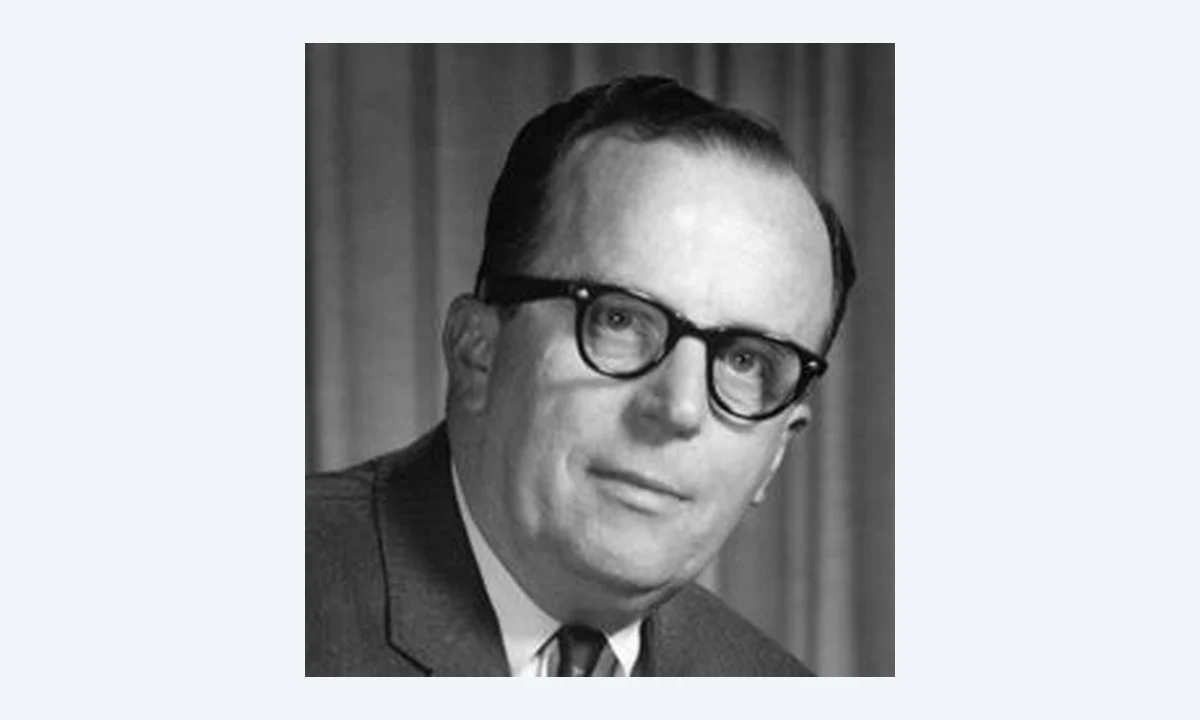
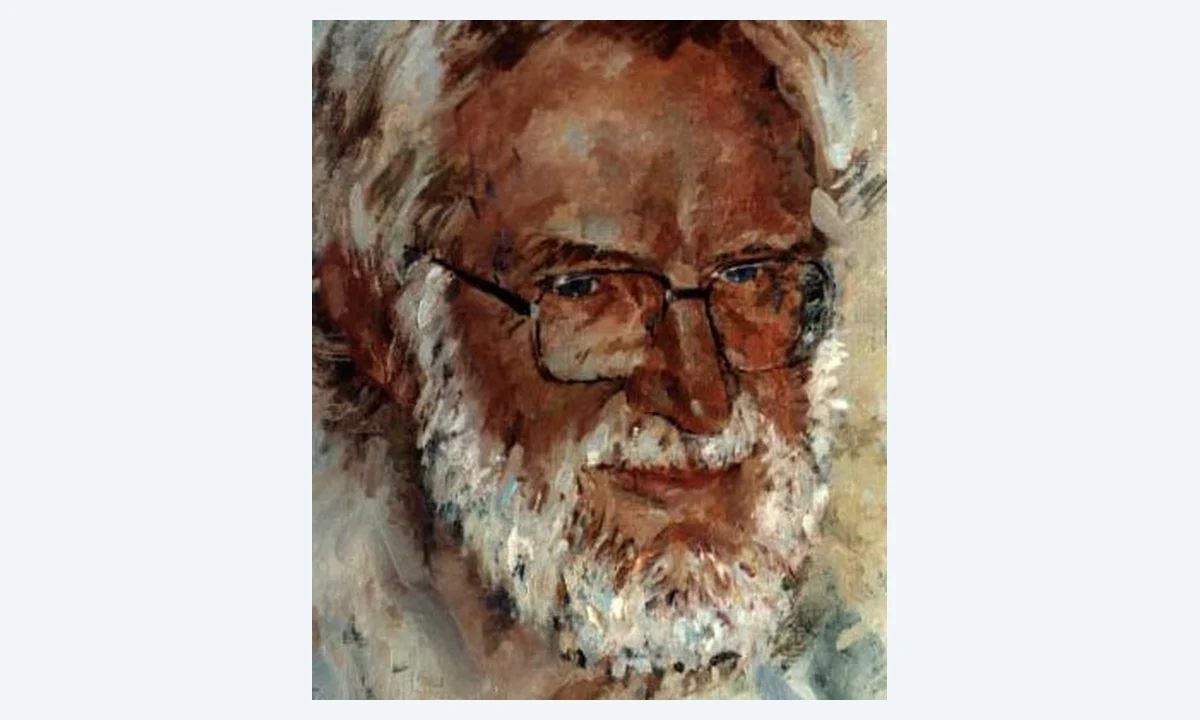
John McCarthy helped establish and name the field of artificial intelligence and developed Lisp. Symbolic programming and computer time-sharing also formed part of his work.
A learning perspective
A research field needs more than an ambitious goal; it also needs ways to express and investigate problems. Learning about AI benefits from studying symbolic approaches alongside statistical methods.
A research field needs ways to express ideas
Naming a field can bring related questions together, but progress also needs tools for expressing and testing ideas. Symbolic approaches represent a problem through explicit structures and rules. Languages and programming environments must make those representations usable, helping explain Lisp’s place in AI history.
Different approaches should not be treated as interchangeable. A rule-based system and a model learned from data have different assumptions and limitations. Compare them against a specified problem, available evidence and evaluation criteria rather than a shared label.
A learning example: a lab assistant
Imagine a small assistant explaining a device’s state. Explicit rules might suggest checking process status when a service is stopped, or examining network connectivity when it is running but unreachable. The reasoning is visible, but its quality depends on the completeness and consistency of the rules.
The assistant should also admit when evidence is insufficient. An “unknown” outcome is a useful part of the specification, not necessarily a defect. Even a small apparently intelligent system needs input contracts and tests.
IROSG learning perspective
Describe a problem using explicit rules and identify where the growing number of cases becomes difficult to manage. Keep explanations of decisions and examples of failures. The exercise is about understanding a method’s boundary rather than immediately building a large system.
McCarthy’s work on time-sharing also highlights the importance of interactive access to computing resources. Computing tools concern not only algorithms but the conditions under which people can explore them.