
The starting point
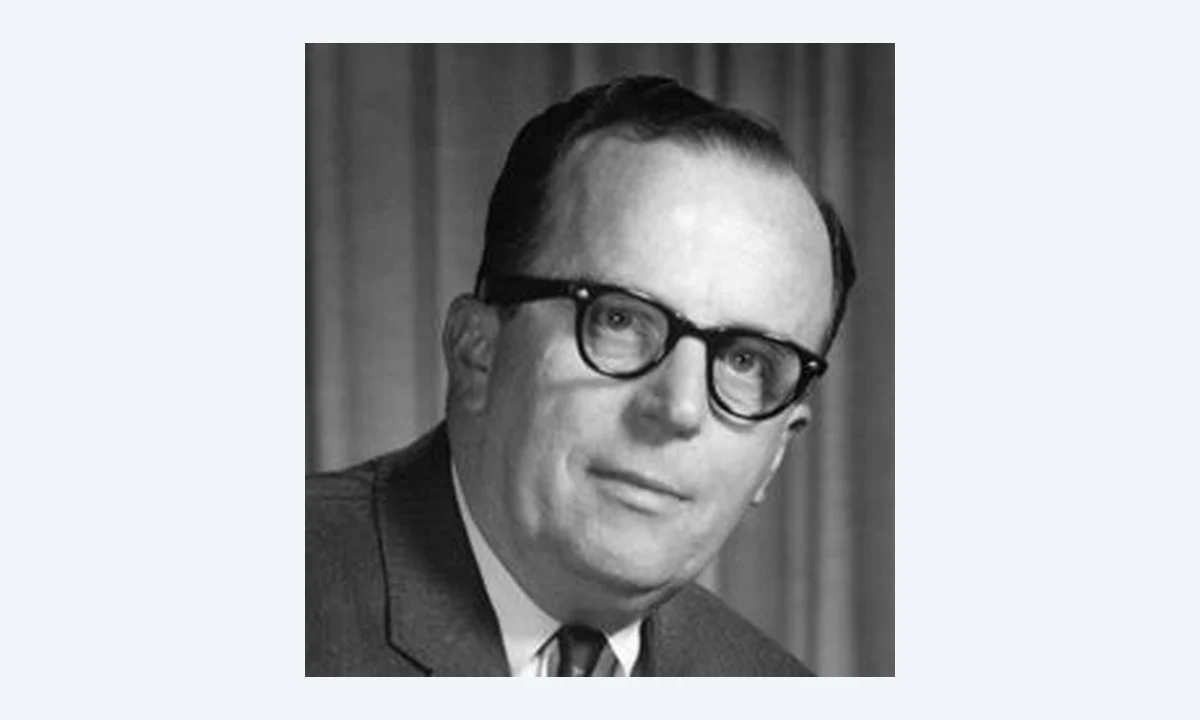
Linus Torvalds began the Linux kernel in 1991. Linux is a kernel; complete operating-system distributions combine it with many other projects and tools, with essential contributions from a broad development community.
Why the distinction matters
Separating kernel, distribution and user-space responsibilities helps identify where maintenance and debugging belong. The Linux story is also about review, collaboration and coordinating change—not code alone.
Kernel, distribution and user space
“Linux” can refer to the kernel or, in everyday conversation, to a complete system built around it. Scheduling, memory management and hardware interaction belong to the kernel, while command-line tools, a desktop and a package manager are other components of a distribution. This distinction matters when troubleshooting: not every failure is a kernel bug.
A network-service problem may originate in an application, library, configuration or driver. Before replacing the kernel, collect evidence at the relevant layer. Package versions, precise errors and reproducible conditions are more useful than randomly changing components.
How collaboration scales
A growing contributor count does not automatically produce a maintainable project. Changes need clear explanations, limited scope and evidence. A small correction with a documented cause and effect is easier to review than a mixture of unrelated modifications.
Open code is not maintenance-free code. An organization still needs an inventory, an update owner and a recovery plan. A development community cannot replace the operational responsibilities of those deploying the software.
IROSG learning perspective
On a lab machine, record both the kernel version and distribution version. Then identify a service’s package, configuration, execution account and logs. This creates a map for assigning problems to the right component.
Next, write a bug report containing the expected behavior, actual behavior, reproduction steps and test environment. Even without a patch, a report like this can be a useful contribution. From this perspective, the Linux story connects code with collaboration and disciplined change management, rather than only celebrating the growth of a personal project.