
Scientific contribution
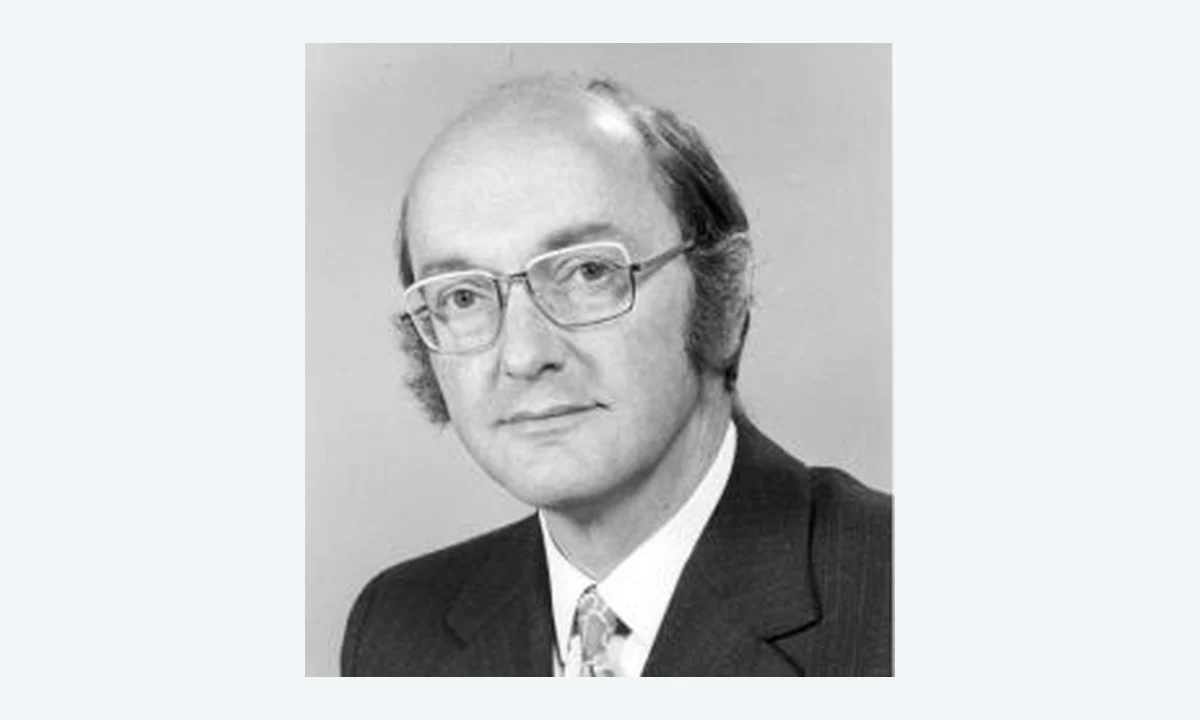
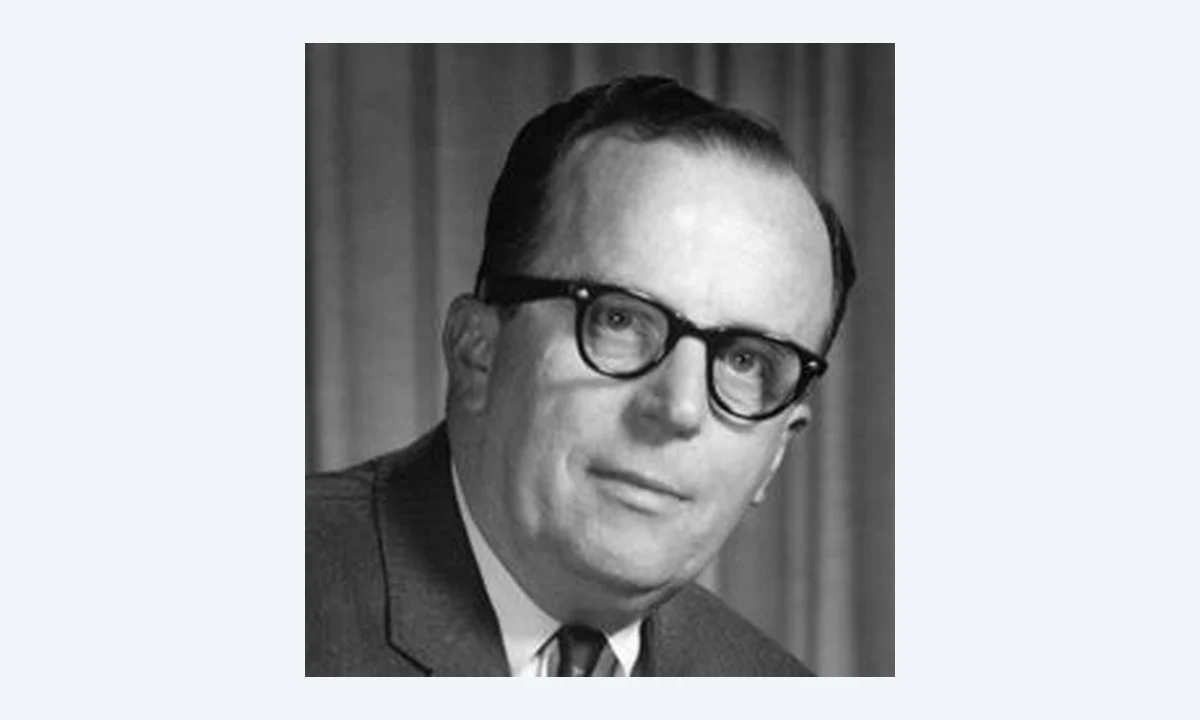
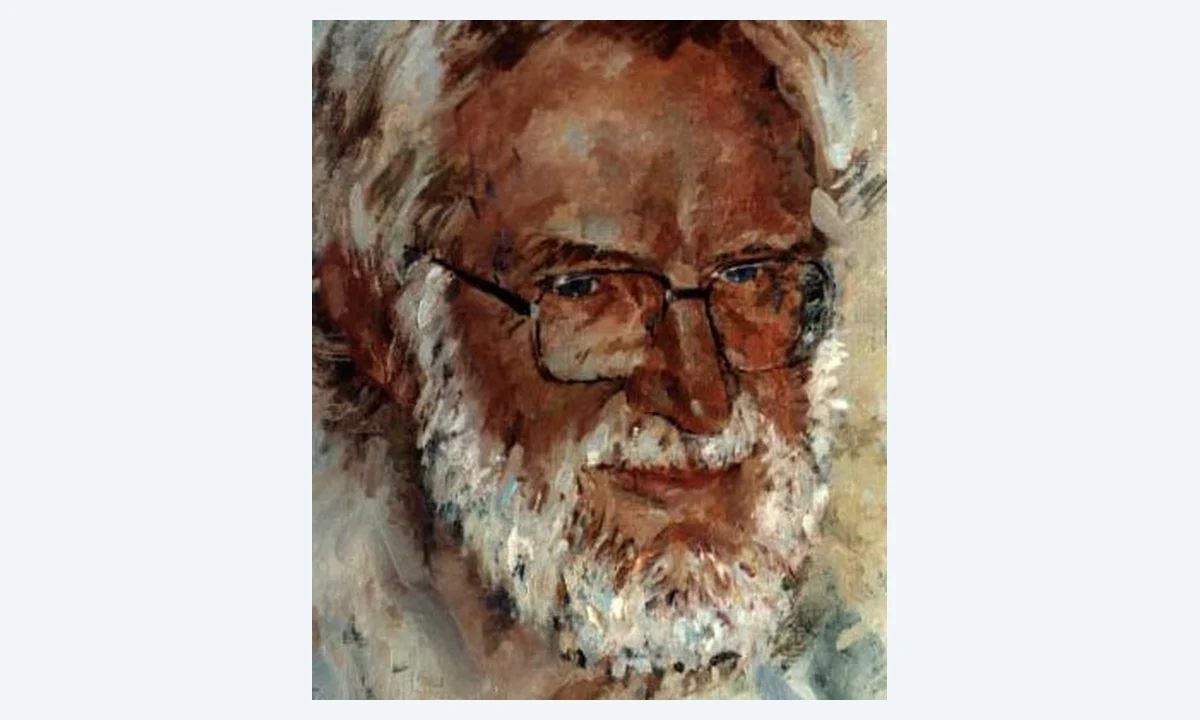
At Stanford, Martin Hellman worked with Whitfield Diffie on public-key cryptography. Their joint paper appeared in 1976, and the contribution was later recognized with the 2015 Turing Award.
From idea to deployment
Study the mathematical assumptions alongside the threat model. Practical systems should use reviewed protocols and implementations; understanding the basic idea does not make a home-designed cryptographic scheme a suitable substitute.
Key distribution at network scale
Managing cryptography is not just selecting an algorithm. Keys must be generated, distributed, stored and replaced. A small network may distribute some secrets through a separate trusted channel, but manual relationships become complicated as the system grows. This context helps explain the importance of Hellman’s work and that of his collaborators.
The history also includes contributions beyond a short protocol name. Diffie and Hellman’s 1976 paper was a major milestone, while Ralph Merkle’s work belongs in the broader development of the field.
A shared secret is not the end of the design
Once two services share a key, the system still needs to define its purpose, lifetime and replacement conditions. Careless reuse across different roles or poor storage can undermine the whole deployment.
An excellent algorithm cannot protect a key that is printed in an error log or committed into a source repository. Secret management includes limiting access, avoiding accidental disclosure, planning rotation and understanding dependent services. Practical security combines mathematical properties with operational discipline.
IROSG learning perspective
Map the secrets in a lab application: what must remain private, where it is stored, who needs access and how it can be replaced. Use invented test values, never real credentials in documentation or screenshots.
Then explain the differences among encryption, key agreement and authentication to a colleague. Difficulty separating their roles often signals that a system’s design needs clarification. The purpose is not to encourage homemade cryptographic tools but to understand the responsibilities that come with using established ones correctly.