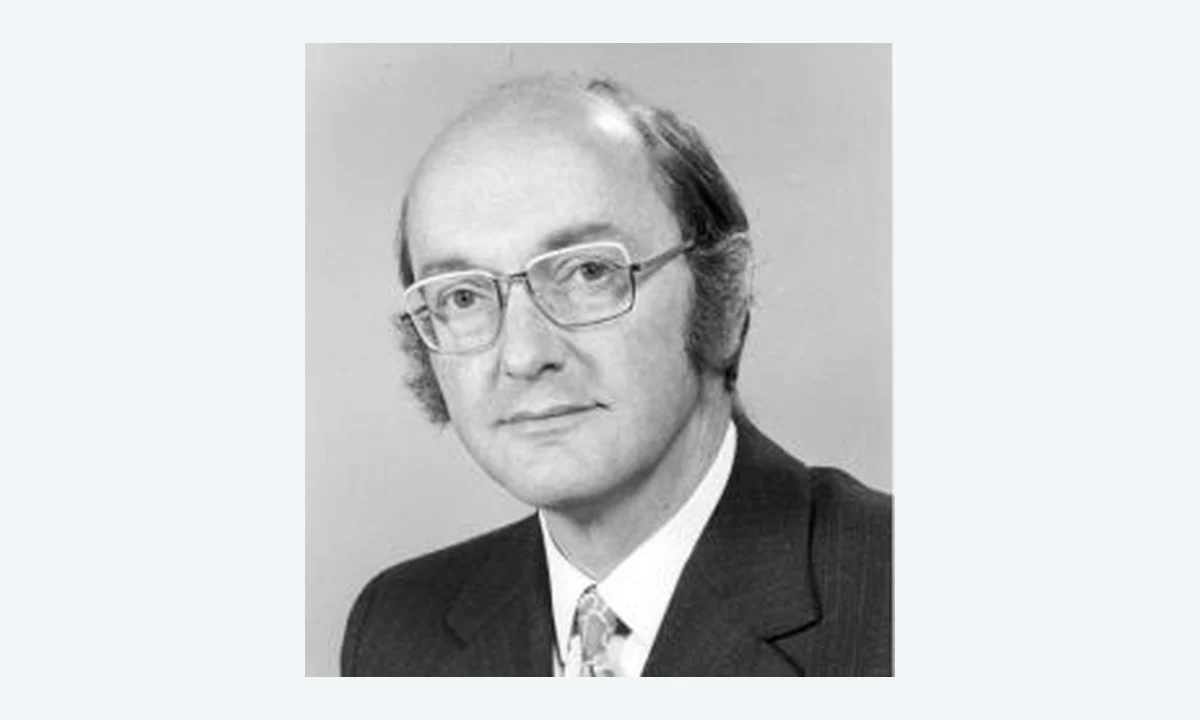

The loop problem
Radia Perlman developed Spanning Tree to organize communication between bridges. It allows redundant physical connections without maintaining active forwarding loops. Her networking work also included TRILL.
A network-design lesson
Redundancy alone does not create resilience. The behavior of paths during normal operation and failure must be understood. Before adding links, examine the control model and convergence behavior.
Redundancy needs a control model
Additional physical paths can improve resilience, but an active layer-two loop can also cause traffic to circulate. Distinguishing physical topology from permitted forwarding paths is essential. A network can contain redundant links while only a subset participates in forwarding at a particular moment.
This helps explain why spanning tree is more than a protocol name to memorize. Its role is to establish predictable behavior across a set of connections. Understanding path selection and reactions to change matters more than simply recognizing a command.
Design the failure transition too
After a link fails, the network must detect the change and move to another suitable state. That transition takes time and can affect applications. A topology that looks resilient on a diagram may produce an unacceptable interruption in practice.
Test normal operation, loss of a path and restoration separately. Equipment behavior, boundaries and protections against accidental connections remain important; a protocol name does not replace deployment-specific validation.
IROSG learning perspective
Use a simulator or isolated lab with three switches and redundant connections. Document the expected active path and the response to losing one link, then observe convergence and logs. Deliberately creating a loop on a production network is not an appropriate learning exercise.
Perlman’s later work, including TRILL, is also a reminder that a successful solution can lead to new questions about capacity and scale. Studying the problem behind an invention makes its history more useful.