Beyond a single network
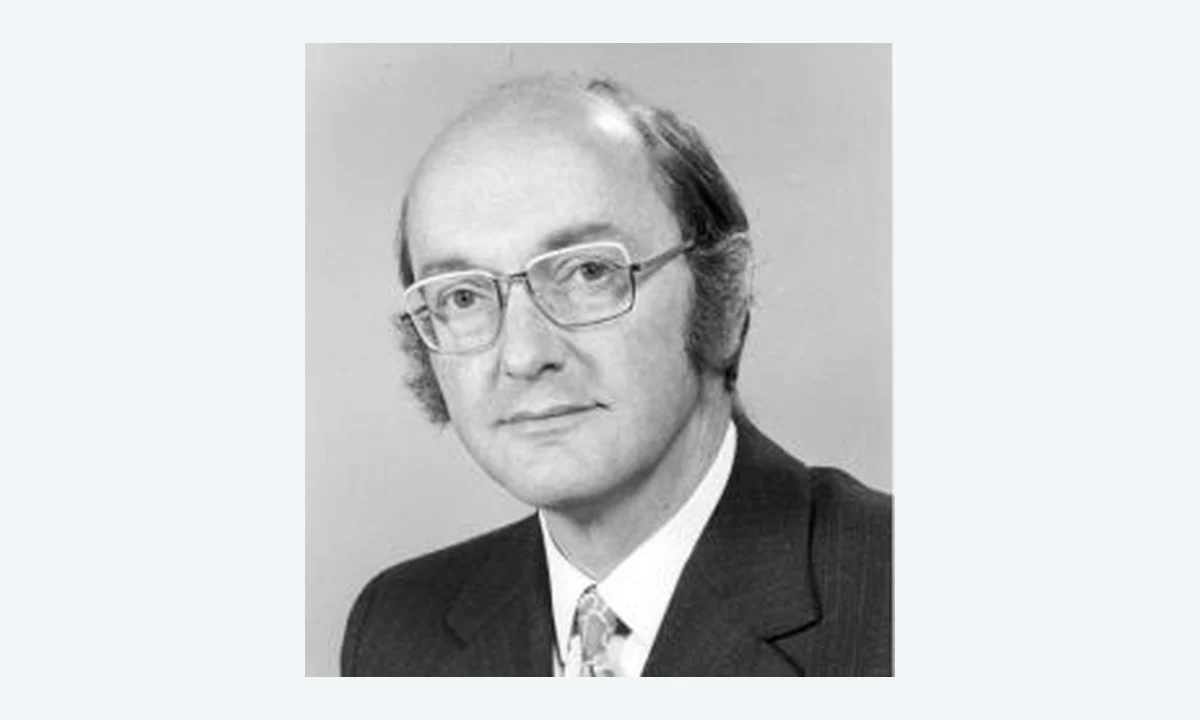
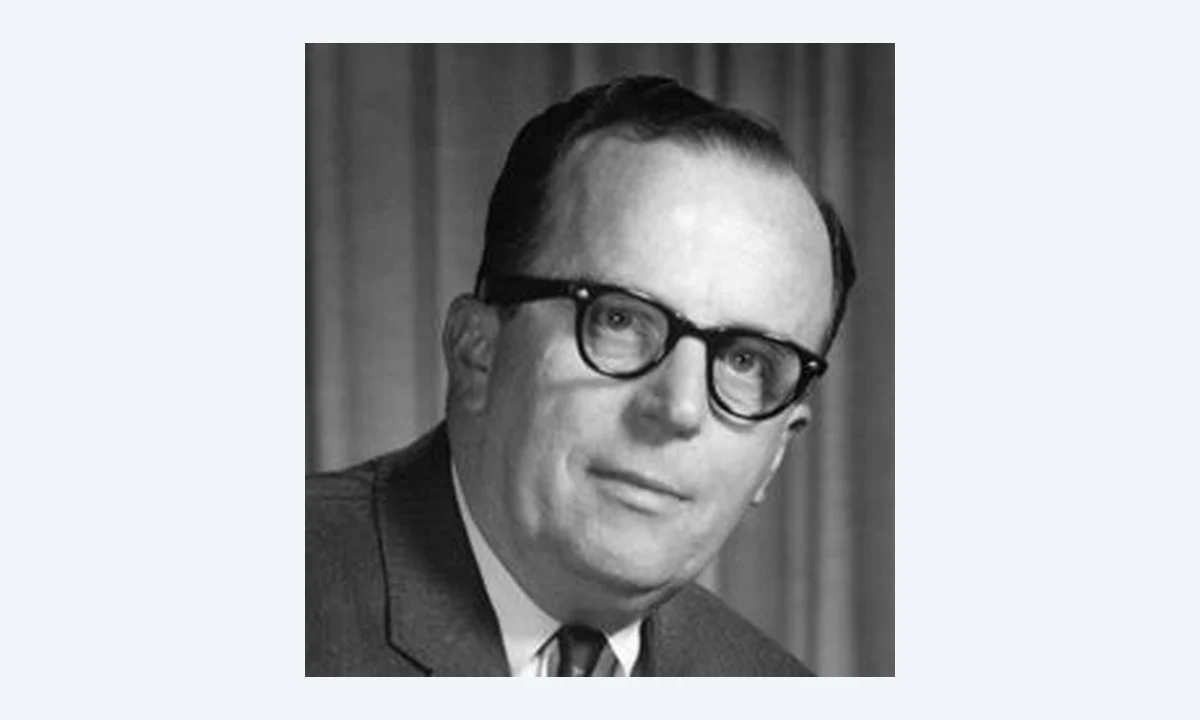
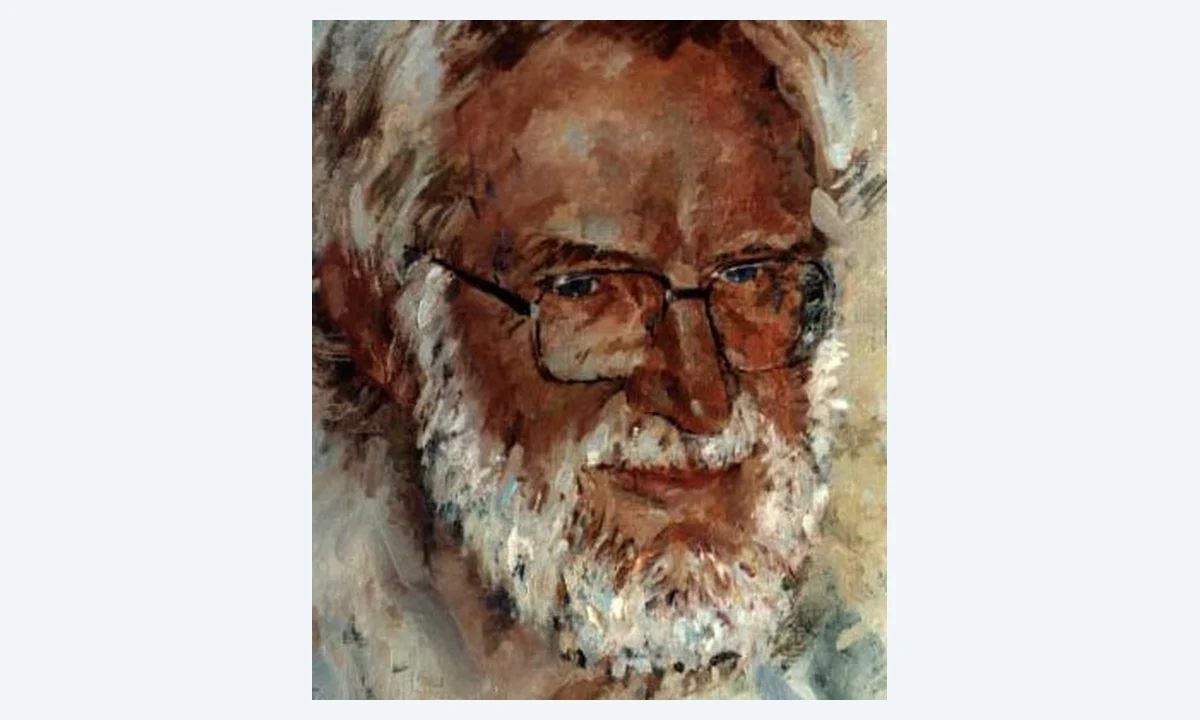
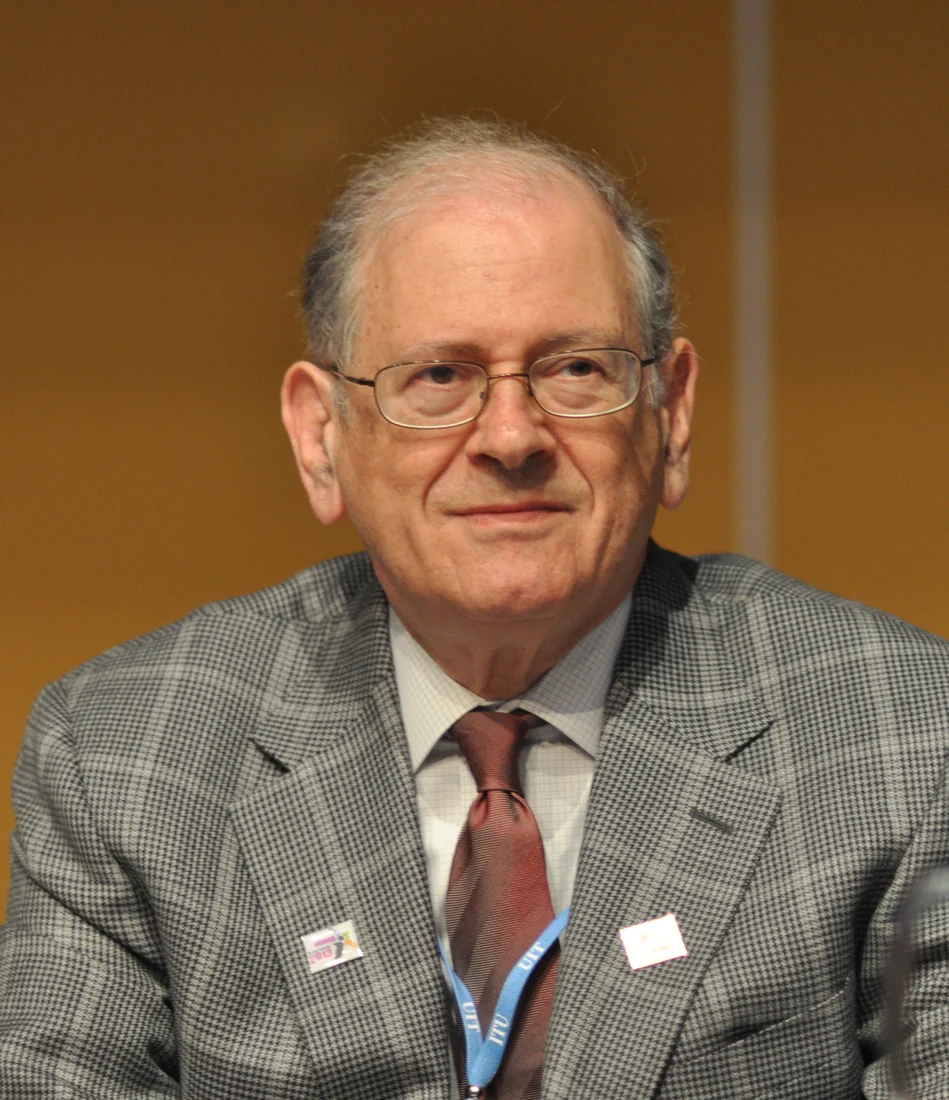
Robert Kahn collaborated with Vint Cerf in designing TCP/IP. The challenge was not simply to build a larger network, but to allow independently designed networks to communicate.
A modern design question
Systems spanning organizations or technologies need clear interaction contracts. What must be shared, and what can remain independent? That question still helps frame distributed-infrastructure design.
Open architecture and independent components
A network of networks is not simply one large uniform network. Independently operated parts can retain different internal technologies while agreeing on the minimum contract needed to communicate. This makes growth less dependent on replacing everything already deployed.
Independence introduces practical obligations. Administrative boundaries bring failures, delays and version changes. A design needs to state what crosses a boundary, which guarantees exist and which failures should be reported to a higher layer. Hiding every failure can make diagnosis harder rather than improving reliability.
A learning example: connecting two offices
Imagine two offices with different equipment and capacity. The goal is dependable communication between required services, not identical settings everywhere. Before choosing a tool, define routes, allowed services, maintenance ownership and behavior when the link is unavailable.
Which work can continue locally during an outage? Which actions should stop? Can data be reconciled later, and who receives an alert? Answering these questions distinguishes a successful connectivity test from a usable operational design.
IROSG learning perspective
Draw two diagrams for a multi-part system: one for data flow and another for administrative responsibility. They often differ. Where a request crosses an ownership boundary, define the contract, evidence and escalation path.
Kahn’s work offers a useful lens for considering growth and interoperability. The historical references describe his collaboration with Cerf; the office example here is a modern teaching exercise rather than a reconstruction of a particular historical deployment.