
Reframing the problem
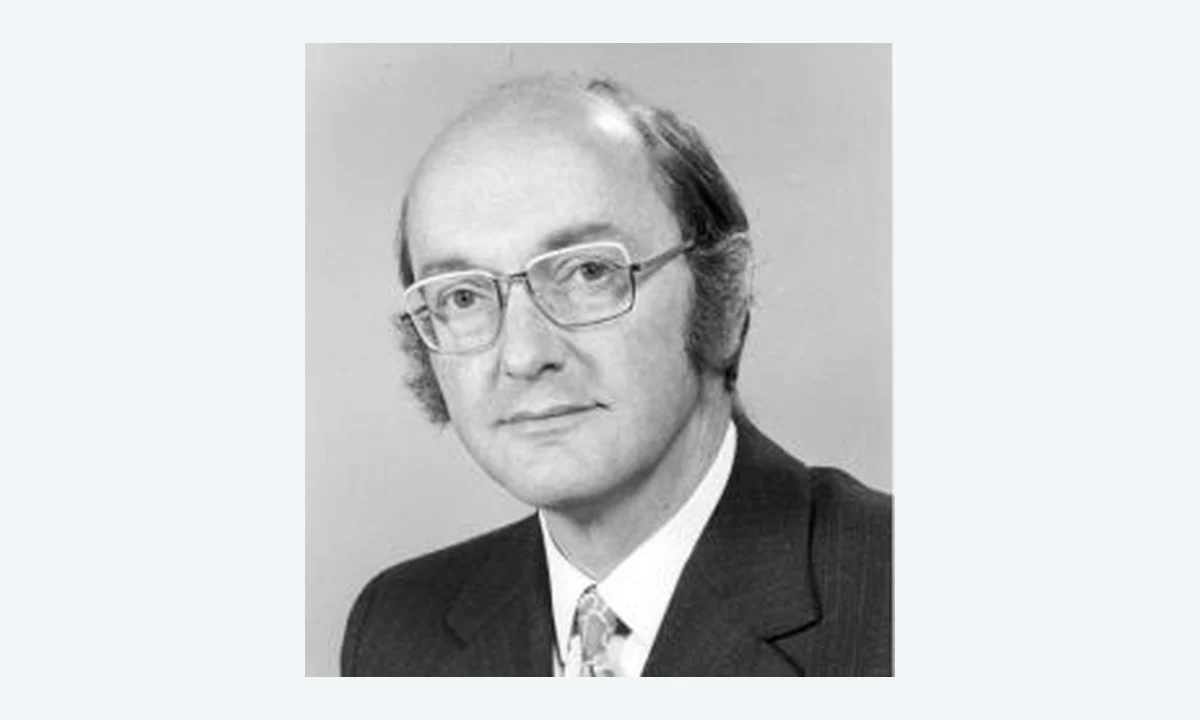
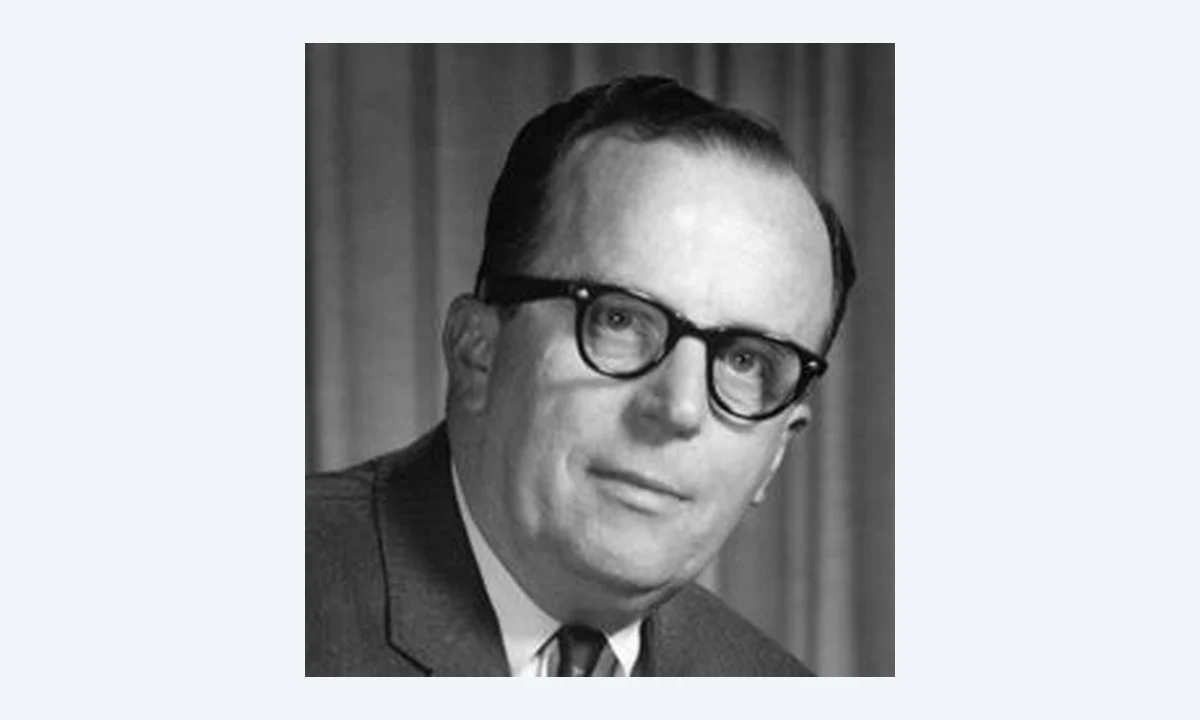
Whitfield Diffie and Martin Hellman’s 1976 paper, New Directions in Cryptography, advanced foundational public-key ideas involving secure communication and digital signatures.
A learning point
Agreeing on a key is not the same as authenticating the other participant. Study these as distinct problems. Protocol security depends on correctly combining components rather than choosing an algorithm with a famous name.
Trust before the first message
If two parties need a shared secret for encryption, they first need a way to distribute that secret safely. Managing these relationships becomes more difficult as users and connections multiply. Public-key cryptography reframed the problem: not every value used to begin a secure exchange must itself be secret.
Public availability does not remove the need for authenticity. A value may be safe to publish while still needing a dependable association with the correct person or service. Confidentiality and authentication are related but different requirements.
Key agreement is not authentication
In an educational account, parties exchange public values and combine them with local secrets to derive a shared key. Without a way to authenticate the participants, an active intermediary may impersonate them. A complete protocol therefore needs more than the mathematics of key agreement.
Digital signatures also serve a different purpose from encrypting a message for confidentiality. A signature can help verify origin and detect modification without necessarily hiding the message. Separating these roles helps explain certificates, TLS and service identity.
IROSG learning perspective
Treat a browser certificate warning as evidence to investigate, not simply an obstacle to dismiss. Examine the hostname, validity dates and trust chain. Encryption alone does not prove that the connection reaches the intended service.
List the roles within a secure connection: key establishment, authentication, data encryption and integrity protection. Use reviewed protocols and maintained libraries in real systems rather than designing a new scheme from a teaching example. The history of Diffie and Hellman provides an entry point for understanding these distinctions.